


Beyond Funding: The Real Crisis in Youth Programs and True Believers' Innovative Response
- alpeshp1
- Oct 18, 2025
- 4 min read
Everyone's talking about funding cuts in youth programs. Budget slashes, grant reductions, government cutbacks: we've heard it all. But here's the thing: while everyone's focused on the money problem, they're missing the real crisis that's been brewing underneath for years.
The actual crisis isn't just about dollars and cents. It's about disconnect.
The Real Problem: We've Lost Touch with What Kids Actually Need
Let's be real for a minute. Most youth programs today are built like this: some well-meaning adults sit in a conference room, decide what they think young people need, write a grant proposal, and hope for the best. Sound familiar?
The problem is, by the time that program launches, it's already outdated. The kids it's supposed to serve had zero input in creating it. And when funding gets tight? Those same kids are the first ones left behind.
According to recent data, over 1.2 million youth who were receiving critical services through various programs now face potential service disruptions: not just because of money, but because these programs weren't built to be resilient from the ground up.
Why Traditional Approaches Keep Failing
Here's what happens in most youth programs: Organizations chase whatever funding is trendy that year. One year it's STEM education, next year it's mental health, then it's job training. They pivot constantly based on what donors want to fund, not what the community actually needs.
This creates what we call "program whiplash." Kids start building relationships and trust with staff, then suddenly the program changes direction or disappears entirely when funding shifts. That's not just disappointing: it's traumatic.
The research shows that skills gaps are widening, civic engagement is declining, and youth unemployment is increasing, even in areas with multiple youth programs. Why? Because we've been treating symptoms instead of addressing the root cause: young people don't have real ownership or voice in the programs supposedly designed for them.
How True Believers Community Connections Does Things Differently
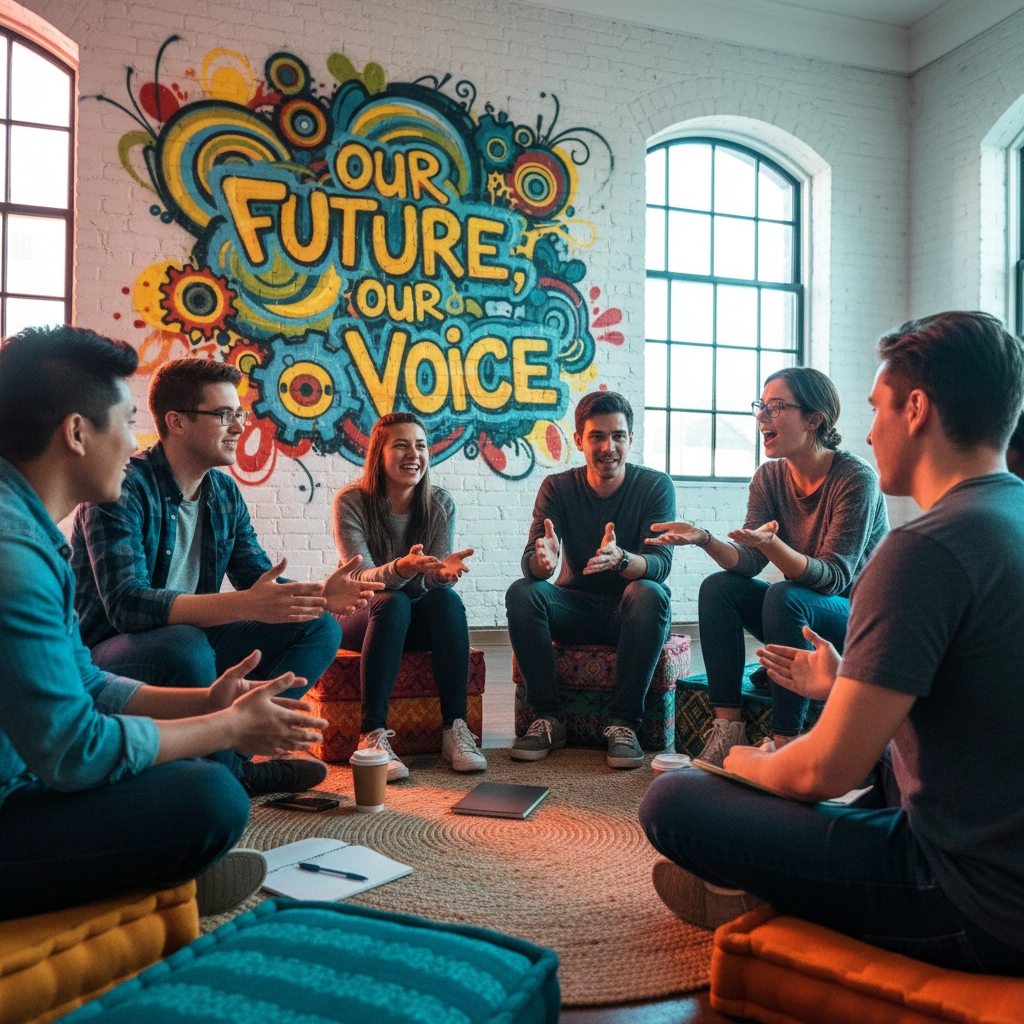
At True Believers Community Connections, we flipped the script. Instead of starting with what funders want to fund, we start with what our community needs. Instead of designing programs in boardrooms, we design them in living rooms, community centers, and on street corners where real conversations happen.
Our approach is built on three core principles that make us different:
Community-Led Programming: Our youth don't just participate in programs: they help design them. We regularly host community listening sessions where young people tell us what challenges they're facing and what solutions they think might work. Then we build programs around those insights.
Sustainable Support Networks: Rather than relying on single funding sources, we've built diverse support systems that include community partnerships, local businesses, and grassroots fundraising. This means when one funding stream changes, our programs don't disappear overnight.
Relationship-First Model: We've learned that programs don't change lives: relationships do. Every program we offer is designed around building lasting connections between young people, mentors, and community members.

Real Solutions for Real Problems
Let's get specific about how this looks in practice. Take our mental health support initiative. Instead of hiring outside counselors to come in and provide services, we trained community members: parents, older siblings, local leaders: to recognize mental health challenges and provide peer support.
Why? Because our young people told us they'd rather talk to someone who looks like them and understands their neighborhood than a stranger with a clipboard.
The results speak for themselves. While other programs struggle with engagement, our participants stick around. They bring their friends. They become mentors themselves. That's what happens when you build programs that actually fit the community instead of forcing the community to fit your program.
Building Resilience, Not Just Programs
The future of youth development isn't about creating more programs: it's about creating more resilient communities. That means building local capacity so that support systems exist even when external funding fluctuates.
We're training young people to become leaders in their own communities. We're connecting families with resources and each other. We're working with local businesses to create pathways to employment that don't require leaving the neighborhood.
As one community leader put it: "True believers don't just provide services: they help communities discover and develop their own solutions."
This approach takes longer than traditional programming. It requires more patience, more relationship-building, more trust. But it creates lasting change because it's rooted in the community itself.
The Ripple Effect
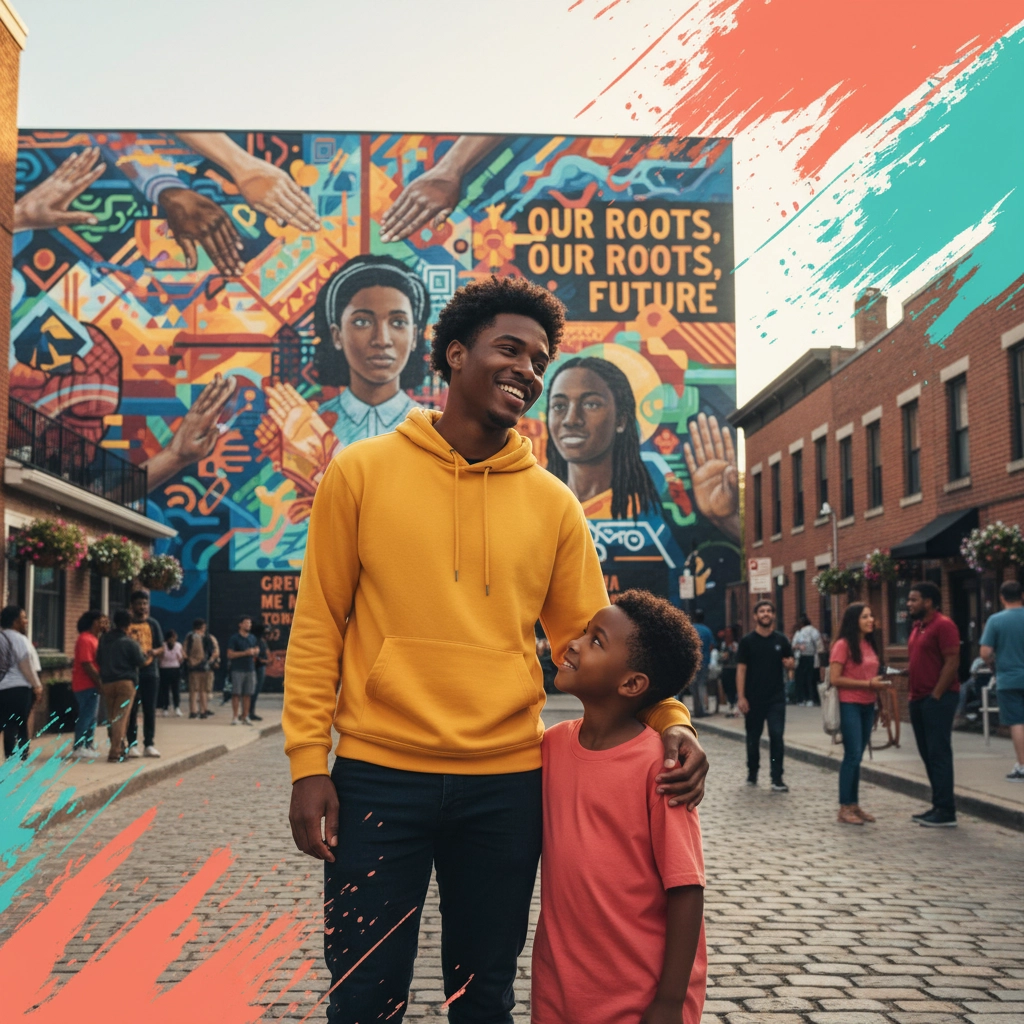
When you get youth development right, the impact goes way beyond the individual young people you serve. Families get stronger. Neighborhoods become safer. Local economies grow. That's the kind of return on investment that can't be measured just in numbers.
We've seen young people who started as participants become program leaders. We've watched parents who were initially skeptical become our strongest advocates. We've witnessed entire blocks transform as young people take ownership of their community's future.
What This Means for You
If you're a parent, educator, or community member wondering how to support young people in your area, here's the key insight: start by listening. Really listening. Not to what you think they need, but to what they're actually telling you they need.
If you're working in youth development or thinking about it, remember that the most innovative responses come from the communities closest to the challenges. Stop designing programs for young people and start designing them with young people.
The crisis in youth programs isn't going away by throwing more money at broken systems. It's going to be solved by building better systems from the ground up: systems that center community voice, prioritize relationships, and create sustainable change.
At True Believers Community Connections, we're not just responding to the crisis: we're pioneering a new way forward. One that puts community at the center, builds resilience from within, and creates lasting change that doesn't depend on the whims of external funding.
Ready to be part of the solution? Visit our programs page to learn how you can get involved, or check out our upcoming events to see our community-centered approach in action. Together, we're building something that lasts.
Comments