


Struggling For Mental Health Support? 10 Signs Your High-Risk Youth Needs Community-Based Care Right Now
- alpeshp1
- Oct 21, 2025
- 4 min read
As a parent or caregiver in Chicago, watching a young person struggle with their mental health can feel overwhelming and scary. You're not alone: and more importantly, help is available right here in our community.
The reality is that one in five teens lives with a mental health condition, and psychiatric emergency department visits among young people have increased by 28% in recent years. But here's what gives me hope: early recognition and community-based intervention can make all the difference.
At True Believers Community Connections, we've seen firsthand how the right support at the right time can transform a young person's trajectory. That's why I want to share these critical warning signs with you: because recognizing them early could quite literally save a life.
The 10 Critical Signs Your Youth Needs Help Now
1. Talking About Suicide or Self-Harm
This is the most urgent red flag. If a young person mentions wanting to die, talks about suicide, or you notice unexplained cuts, burns, or injuries, this requires immediate action. Don't wait: this is a mental health emergency.
2. Complete Social Withdrawal
We're not talking about typical teenage moods here. This is when a young person completely isolates themselves, stops seeing friends entirely, and avoids all social activities they once enjoyed. When isolation becomes their new normal, it's time for professional support.
3. Dramatic Academic Decline
Sudden drops in grades, refusing to go to school, or being unable to focus on homework despite trying: these academic changes often signal deeper mental health struggles. When school performance crashes without clear external reasons, don't dismiss it as laziness.
4. Substance Use as Coping
Using drugs or alcohol to manage emotions, especially when it becomes regular or secretive, is a major warning sign. Substance use and mental health problems often go hand in hand and create a dangerous cycle.
5. Severe Sleep Disruption
This goes beyond staying up late on phones. We're talking about sleeping 12+ hours daily, chronic insomnia, frequent nightmares, or completely reversed sleep patterns. Sleep disturbances are often early indicators of anxiety, depression, and other mental health conditions.
6. Explosive Anger and Aggression
Frequent outbursts, threats of violence, or aggression that's completely out of character can indicate serious internal distress. If a normally calm young person becomes regularly explosive, this needs immediate attention.

7. Loss of Interest in Everything
When activities that once brought joy: sports, music, art, time with friends: no longer matter to them, this classic sign of depression shouldn't be ignored. Complete disinterest in life's pleasures is a clear cry for help.
8. Unexplained Physical Symptoms
Chronic headaches, stomach problems, or other physical complaints without medical causes often reflect emotional distress. The mind and body are connected, and mental health struggles frequently manifest physically.
9. Extreme Mood Swings
We're not talking about normal teenage emotions. This is rapid cycling between extreme highs and lows, confusion, or mood changes so intense they prevent normal functioning.
10. Inability to Function Daily
When basic tasks like showering, eating regularly, or completing simple responsibilities become impossible, and concentration is severely impaired, comprehensive support is needed immediately.
Chicago's Community-Based Mental Health Resources
The good news? Chicago has incredible community-based resources designed specifically for high-risk youth and their families.
Crisis Support (Available 24/7):
988 Suicide & Crisis Lifeline: Call or text 988
Crisis Text Line: Text HOME to 741741
Chicago Mobile Crisis Team: 1-800-345-9049
Community Mental Health Centers: Chicago has numerous federally qualified health centers offering sliding-scale mental health services, including Heartland Alliance, Near North Health Services, and Community Health Partnership of Illinois.
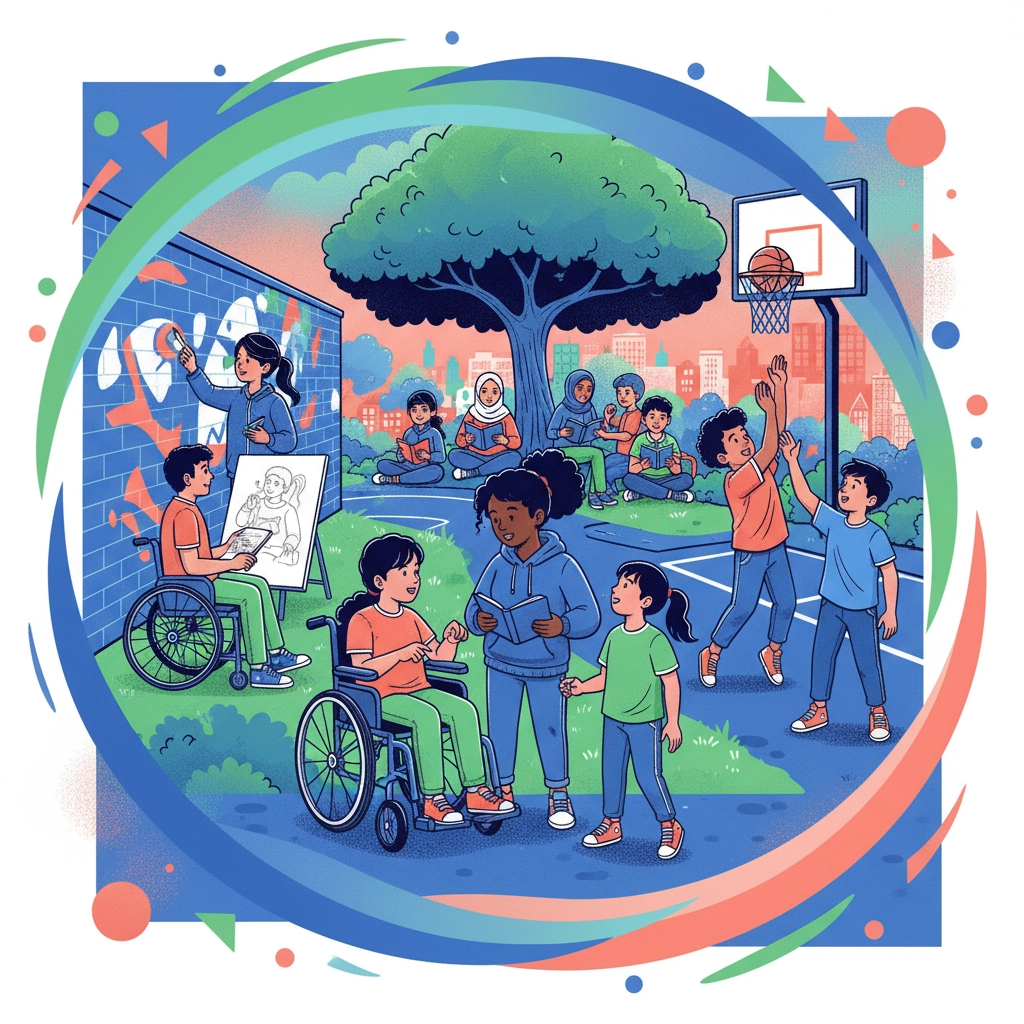
School-Based Support: Chicago Public Schools has expanded mental health services, with social workers and counselors in most schools. Don't hesitate to reach out to your child's school: they're often the first line of support.
How True Believers Community Connections Makes a Difference
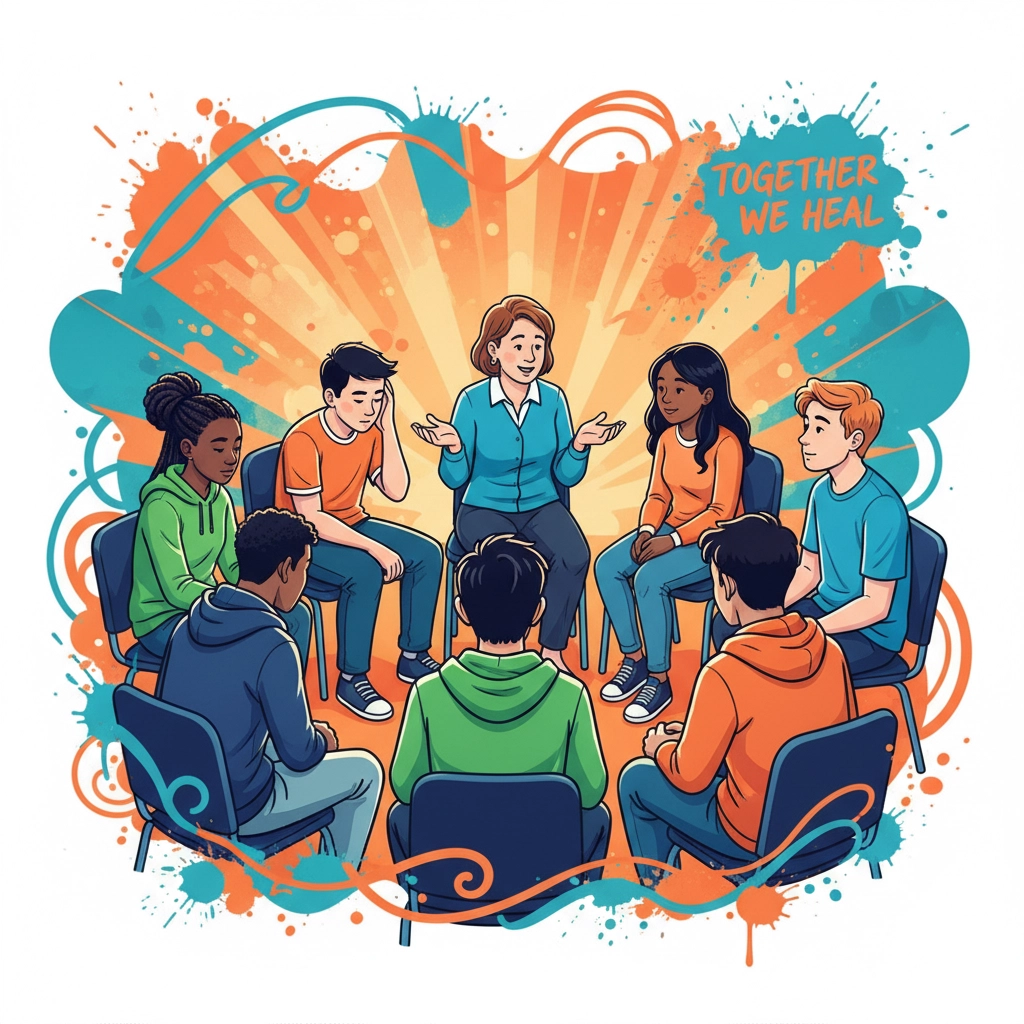
At TBCC, we understand that mental health support isn't just about individual therapy: it's about building community connections that help young people thrive. Our programs focus on:
Peer support networks that help youth feel less alone
Family education and support because healing happens in community
Skills building that addresses both emotional wellness and practical life skills
Cultural responsiveness that honors the unique experiences of Chicago's South Side communities
"Community-based care works because it meets young people where they are, not where we think they should be," says one of our community partners. "When youth feel connected to their community, they're more likely to seek help and stick with treatment."
Research consistently shows that young people with strong community connections have better mental health outcomes. That's why our approach focuses on building those protective relationships and support systems.
Taking Action: What to Do Right Now
If you've recognized these signs in a young person you care about, here's your immediate action plan:
For Crisis Situations:
Call 988 or go to the nearest emergency room
Don't leave the person alone
Remove any means of self-harm
Stay calm and supportive
For Non-Crisis Support:
Contact your pediatrician for a mental health referral
Reach out to your child's school counselor
Connect with community organizations like True Believers Community Connections
Consider family therapy to strengthen support systems
Building Prevention Through Community
Mental health isn't just about crisis intervention: it's about building resilient communities where young people feel valued, connected, and supported before crisis hits.
This means creating opportunities for meaningful relationships with caring adults, ensuring access to activities that build confidence and skills, and fostering environments where asking for help is seen as strength, not weakness.
At True Believers Community Connections, we've seen how powerful it is when young people have multiple adults in their corner: parents, mentors, teachers, and community members all working together.
Your Next Steps Matter
Recognizing these warning signs is just the beginning. The most important thing you can do is act on what you've learned. Mental health struggles don't improve with time alone: they require support, connection, and often professional help.
Remember, seeking help isn't a sign of failure as a parent or caregiver. It's a sign of love and wisdom. Every young person deserves to feel supported, valued, and hopeful about their future.
If you're in the Chicago area and want to learn more about community-based support for youth and families, visit our programs page or contact True Believers Community Connections directly. We're here to help you navigate these challenges and connect you with the resources your family needs.
Because when we work together as a community, we can ensure that no young person has to struggle alone.
Comments