


The Ultimate Guide to Empowering Youth in Chicago: Everything Families Need to Break the Cycle
- alpeshp1
- Oct 20, 2025
- 5 min read
Breaking generational cycles isn't just about hope: it's about action, connection, and finding the right support at the right time. If you're a Chicago family ready to empower your youth and create lasting change, you're already taking the most important step: recognizing that you don't have to do this alone.
Chicago's youth empowerment landscape offers a robust network of programs designed to address the complex needs of young people from birth through age 25. The key is understanding how to navigate these resources effectively and choose approaches that align with your family's unique situation.
Understanding Your Starting Point
Every family's journey is different, but successful youth empowerment in Chicago starts with honest assessment. Are you dealing with academic challenges, social and emotional struggles, trauma recovery, or preparing for life transitions? Maybe it's all of the above: and that's okay.
Chicago's 77 neighborhoods present vastly different opportunities for young people, with those in areas affected by poverty facing substantial impacts across multiple developmental domains. The city's approach recognizes that violence is often a symptom of systemic failures to support young people, particularly boys and young men of color, making comprehensive intervention essential.

The most effective programs understand this complexity. They don't just address symptoms: they tackle root causes while building on your family's existing strengths.
Finding the Right Program Match
Early Childhood Through School Age Programs
If your child is young, you're in the perfect position to establish a strong foundation. Chicago Youth Programs exemplifies the long-term investment approach, providing services from birth until age 25 with the goal of ensuring young adults successfully complete post-secondary plans and establish sustainable careers.
The YWCA Metropolitan Chicago's Strong Families program focuses on empowering parents in their natural and learned abilities through home visiting services, peer group learning, and research-based parenting curriculum. Key components include trauma-informed services, child sex abuse prevention training, and promoting positive communication between caregivers and children.
School-Based Interventions
Youth Guidance operates one of the city's most impactful school-based programs through their Becoming A Man (BAM) program, serving over 12,000 students annually. The organization focuses on social and emotional learning using group practices, rites of passage, group therapy, and individual counseling. With more than 95 percent of participants identifying as African-American and Hispanic/Latino, the program specifically addresses the needs of communities most affected by systemic barriers.
Community-Based Prevention
For families dealing with more intensive challenges, Chicago CRED's Youth Program targets the critical transition period by serving teens who meet twice weekly after school. Their approach centers on "cutting off the pipeline into the street life" through outreach, life coaching, therapy, and employment and education support.

The Family-Centered Approach That Actually Works
Here's what many families don't realize: the most successful youth empowerment happens when the entire family system is supported and strengthened.
Strengthening Your Parental Capacity
Strong Families offers specialized programs for different family configurations, including the Young Parents Program for those 24 years and under, the Relatives as Parents Program, and various Prevention Initiatives focused on pregnant mothers and children from birth to age 3. These programs acknowledge that different family structures require tailored approaches to be effective.
Getting Whole-Family Support
Programs extend beyond individual youth to address family-wide needs. Chicago CRED works directly with families of younger participants, providing family therapy and support services for housing and drug treatment. This recognition that youth success is interconnected with family stability represents a crucial element of effective intervention.
Many core services are provided free of charge, removing financial barriers that might prevent families from accessing support. Programs also offer multiple contact points and coordinators to facilitate family engagement and ensure appropriate service matching.
Building Resilience and Life Skills
Addressing Trauma First
Multiple programs prioritize addressing trauma as a foundation for empowerment. Participants work with clinicians to process trauma while learning practical life skills including financial literacy and stress management. The integration of trauma processing with skill-building acknowledges the complex challenges many Chicago youth face.
As one program coordinator explains, "We can't build a house on a shaky foundation. When young people have experienced trauma, we need to address that healing first, then build the life skills on top of solid ground."
Social and Emotional Development
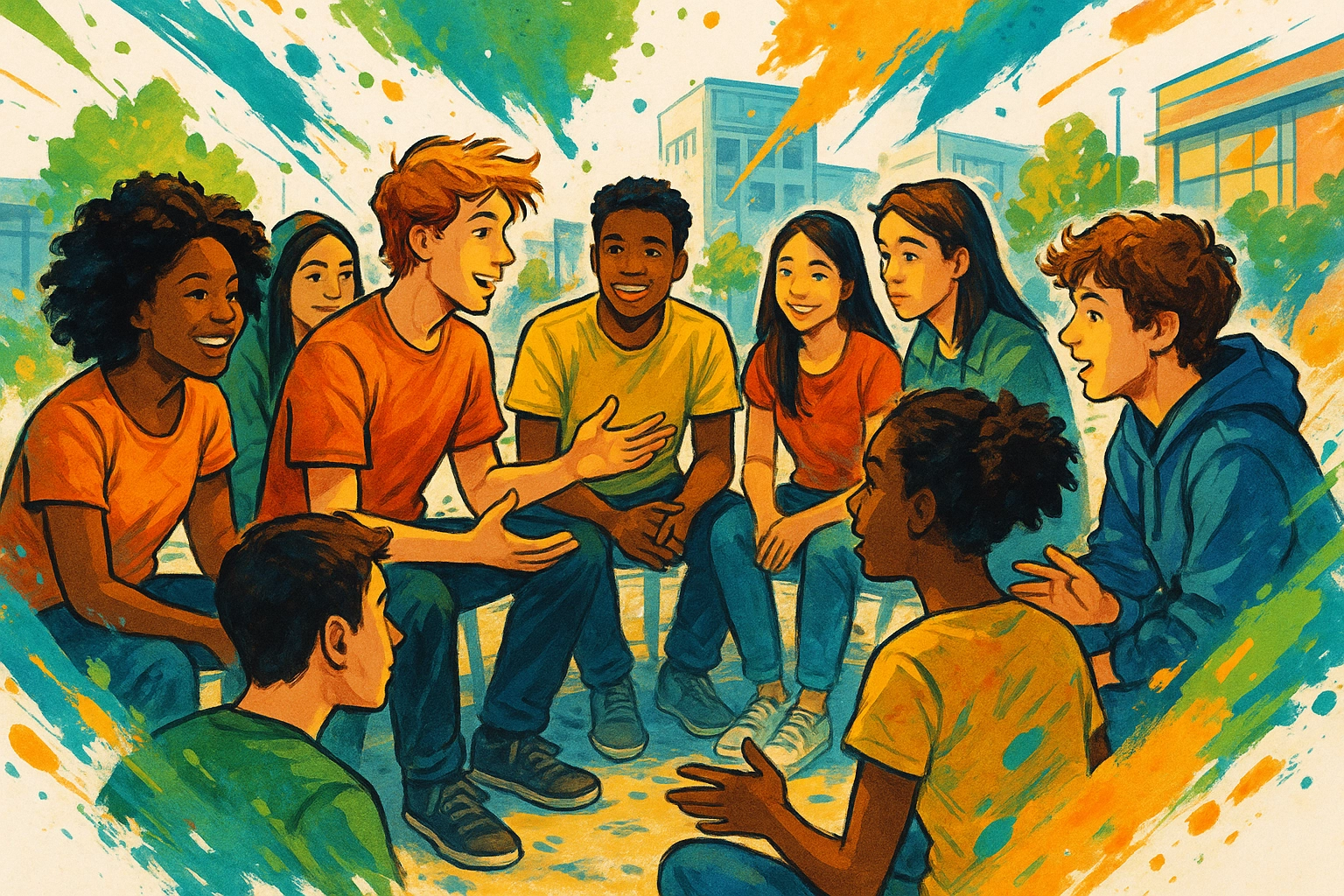
Programs emphasize building self-confidence and resilience through positive relationships and supportive environments. Youth Guidance's approach combines individual counseling with group practices and rites of passage, creating multiple pathways for social and emotional growth.
Leadership and Identity Development
The Polk Bros Foundation's focus on positive youth development emphasizes programs that engage youth in skill-building, identity development, and leadership opportunities. These elements are particularly crucial during the transition from adolescence to adulthood, helping youth navigate key developmental milestones.
Your Step-by-Step Action Plan
Step 1: Assess Your Family's Needs Take an honest look at where your family needs the most support. Is it early childhood development, school performance, trauma recovery, life transitions, or family dynamics? Write it down: this will help you communicate clearly with program coordinators.
Step 2: Research Geographic Coverage Programs serve diverse areas across Chicago, from the South Side through YWCA's Strong Families program to suburban areas including Elk Grove Village, Mount Prospect, Wheeling, and Buffalo Grove. Start with programs in your area, but don't limit yourself if a specialized program elsewhere might be a better fit.
Step 3: Make Initial Contact Most programs offer multiple contact points and coordinators to facilitate family engagement. Don't be afraid to ask questions about their approach, success stories, and how they'll support your entire family: not just your youth.
Step 4: Commit to the Long Term The most effective programs adopt a long-term perspective, recognizing that breaking cycles requires sustained intervention. Chicago Youth Programs' birth-to-25 model and Thrive Chicago's "cradle-to-career" framework demonstrate this comprehensive approach.

Leveraging Chicago's Collaborative Network
One of Chicago's greatest strengths is its collaborative approach to youth empowerment. Thrive Chicago brings together 600 individuals representing nearly 200 child and youth-serving organizations. This network approach ensures families can access coordinated services rather than navigating fragmented systems independently.
The collaboration between organizations has generated nearly $1.1 million since January 2020 to expand program reach and develop strategic goals, demonstrating how effective programs scale their impact.
Creating Lasting Change
Systems-Level Thinking Beyond individual interventions, successful programs work toward systems-level change. They recognize that individual gains need to be supported by broader environmental changes in schools, neighborhoods, and community institutions.
Community Building Focus Programs emphasize building supportive communities and social networks, recognizing that strong families and support systems provide the foundation for youth to learn and thrive. This community-centered approach ensures that individual gains are supported by broader environmental changes.
Your Next Steps Start Today
Breaking generational cycles in Chicago requires engagement with comprehensive, evidence-based programs that address the full spectrum of youth and family needs. The path forward isn't just about finding any program: it's about finding the right combination of support that meets your family where you are and helps you get where you want to be.
Success depends on three key factors: sustained engagement, active family involvement, and access to the collaborative network of support services that characterize Chicago's youth empowerment landscape. The resources exist, the programs work, and families like yours are succeeding every day.
The question isn't whether change is possible: it's whether you're ready to take the first step. Your family's transformation story starts with a single phone call, a single application, or a single conversation with a program coordinator who understands your vision for your youth's future.
Ready to get started? Visit our programs page to explore how True Believers Community Connections can connect your family with the right resources, or contact us directly to discuss your family's unique needs and goals. Your youth's empowerment journey begins today.
Comments