


When Support Falls Short: How True Believers' Approach Fills the Gaps Other Programs Miss
- alpeshp1
- Oct 12, 2025
- 5 min read
Every day in Chicago, well-intentioned youth programs launch with big promises and bigger hearts. Yet despite millions in funding and countless hours of volunteer work, many young people still fall through the cracks. They show up to programs that don't quite fit, receive support that doesn't quite stick, and leave feeling more disconnected than when they started.
At True Believers Community Connections, we've spent years studying why some programs succeed while others struggle: and more importantly, how to bridge those critical gaps that leave our youth underserved.
The Cookie-Cutter Problem
Most youth programs operate on a one-size-fits-all model. They create a program structure, develop materials, and expect every participant to benefit equally. But here's what we've learned: a 14-year-old dealing with family instability needs different support than a 17-year-old preparing for college applications.

Traditional programs often group kids by age or grade level, missing the nuanced differences in their lived experiences, trauma histories, and future aspirations. At True Believers, we start with the individual. Our intake process isn't just about collecting demographic data: it's about understanding each young person's story, strengths, and specific challenges.
We've seen kids labeled as "difficult" in other programs flourish when they receive support tailored to their learning style and personal interests. One participant told us, "For the first time, someone asked me what I actually wanted to work on instead of telling me what I should care about."
Beyond the Program Walls
Here's a gap that trips up even the most well-funded programs: they focus intensely on what happens during program hours while ignoring the other 22 hours of a young person's day. A teen might learn conflict resolution skills in a workshop but return home to an environment where those skills feel impossible to apply.
True Believers takes a whole-life approach. We don't just work with youth: we engage their families, connect with their schools, and build relationships within their neighborhoods. When Marcus started having trouble at home, we didn't just increase his counseling sessions. We brought his grandmother into the conversation, connected the family with resources, and helped create a support system that extended beyond our program doors.
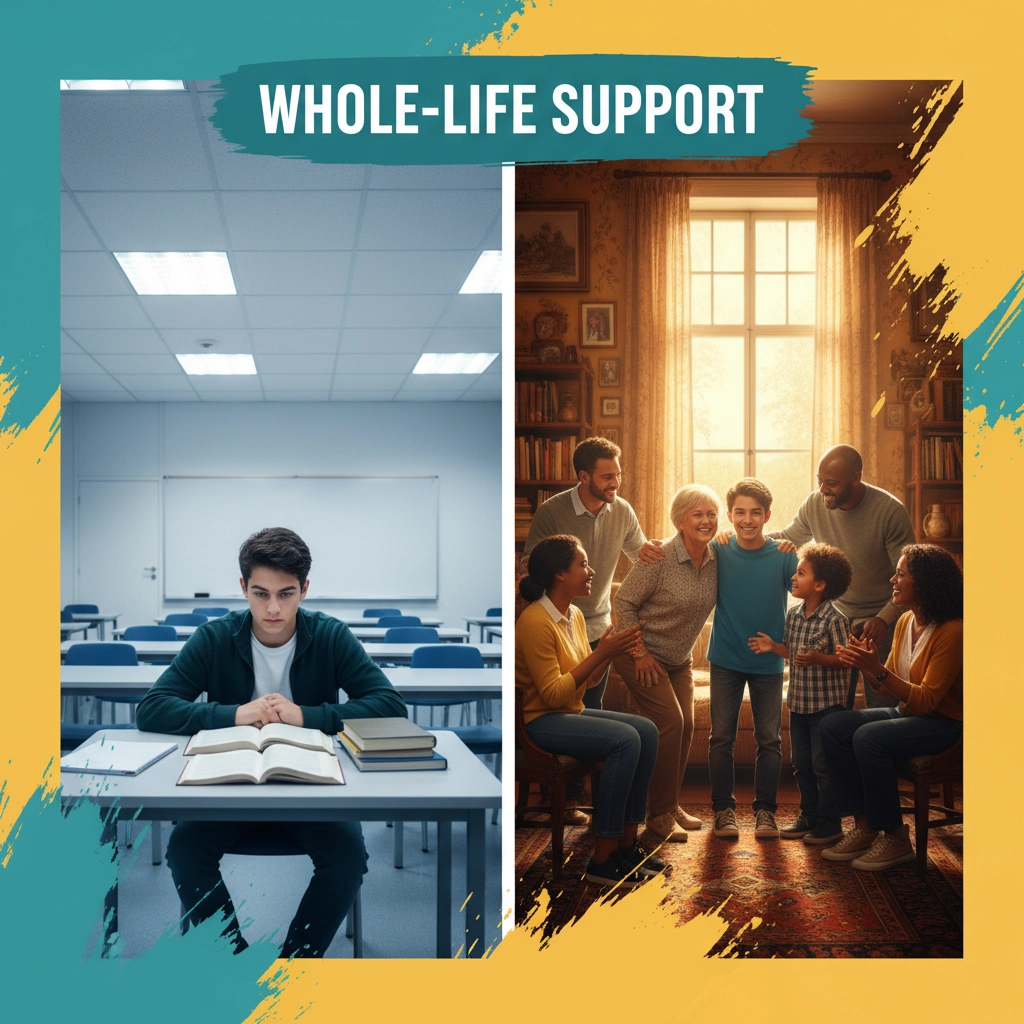
This comprehensive approach means that the positive changes our participants make during programs get reinforced throughout their daily lives rather than competing with conflicting messages from other environments.
The Sustainability Challenge
Many programs suffer from what we call "funding fatigue." They launch with enthusiasm, show initial results, then struggle to maintain quality as grants expire and staff turnover increases. Youth notice when programs become unstable: and they protect themselves by not investing deeply in relationships that might disappear.
True Believers has prioritized long-term sustainability from day one. Rather than chasing every available grant, we've built diverse funding streams and focused on programs we can maintain consistently. Our participants know that when they commit to our programs, we're committing right back to them.
"I was in three different programs that shut down before I found True Believers," shares Keisha, now a program graduate and college sophomore. "When I first started here, I kept waiting for them to tell us they were closing. But Dr. Collum and her team showed up consistently, and that's when I knew I could trust them with my real goals."
Strength-Based vs. Deficit-Focused Approaches
Too many youth programs unconsciously operate from a deficit model: focusing on what young people lack, what problems they face, and what risks they need to avoid. While addressing challenges is important, this approach can inadvertently reinforce negative self-perceptions and limit participants' sense of possibility.

True Believers flips this script. We lead with strength identification and development. Every young person enters our programs through a strengths assessment that helps them and us understand their natural talents, interests, and abilities. We then design experiences that build on these strengths while addressing growth areas.
This isn't just feel-good philosophy: it's backed by research showing that young people who can identify and develop their strengths demonstrate higher levels of engagement, academic achievement, and life satisfaction. More importantly, it changes how they see themselves and their potential.
Community Connection vs. Individual Isolation
Many youth programs inadvertently isolate participants from their broader communities by creating separate spaces and separate activities. While safe spaces are crucial, complete separation can reinforce feelings of being different or "othered."
True Believers intentionally builds bridges between our participants and the broader Chicago community. Our programs include mentorship opportunities with local professionals, service projects that benefit neighborhoods beyond our own, and partnerships with businesses, colleges, and community organizations throughout the city.

This approach helps our youth see themselves as valued community members rather than charity recipients. They develop networks that extend far beyond their immediate neighborhoods and gain exposure to opportunities they might never have encountered otherwise.
Cultural Responsiveness, Not Cultural Blindness
Many well-meaning programs promote a "color-blind" approach, treating all participants the same regardless of their cultural background. While equality is the goal, this approach often misses important cultural strengths and fails to address culture-specific challenges.
True Believers embraces cultural responsiveness. Our staff reflects the communities we serve, our programming incorporates cultural celebrations and traditions, and we address the unique challenges faced by different cultural groups within our community.
This doesn't mean segregating participants: it means honoring the diversity of experiences and perspectives they bring while creating inclusive spaces where everyone can thrive authentically.
The Follow-Through Factor
Perhaps the most significant gap in youth programming is the lack of sustained support during crucial transitions. Programs often end abruptly when participants "age out," leaving young adults to navigate college, career, and independent living without the support systems they've grown to depend on.
True Believers has developed robust alumni engagement and transition support. We maintain relationships with graduates, provide ongoing mentorship, and create opportunities for them to give back as program volunteers and mentors to younger participants.
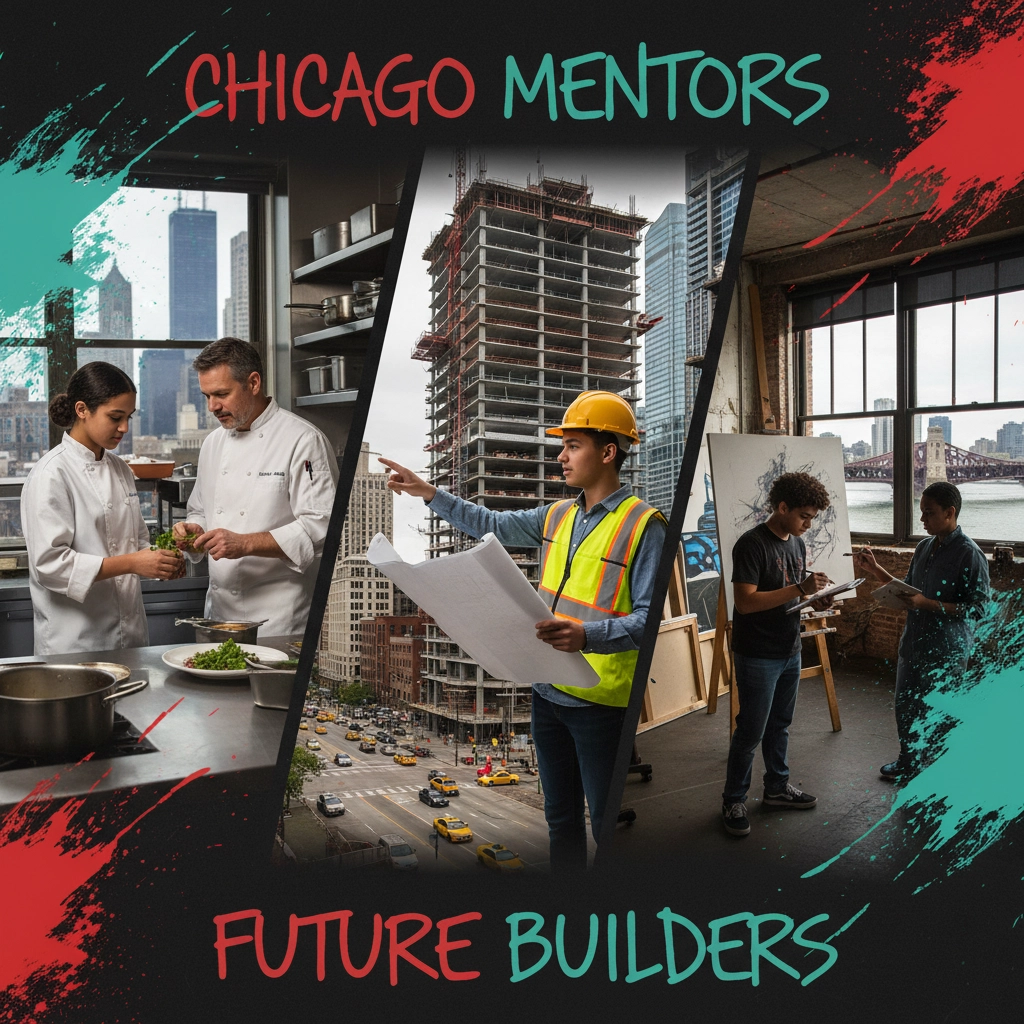
Our alumni network has become one of our greatest assets, providing real-world examples of success and creating a community that extends well beyond formal program participation.
Making It Personal
At the heart of all these differences is a fundamental belief: young people don't need to be saved or fixed: they need to be seen, supported, and empowered to develop their own potential. Every gap we've identified in traditional programming comes down to failing to fully see and respond to the whole person in front of you.
True Believers Community Connections exists because we believe Chicago's young people deserve more than programs that almost work. They deserve comprehensive, culturally responsive, strength-based support that adapts to their individual needs and follows them through their journey to adulthood.
The Path Forward
Real change happens when we stop asking what's wrong with young people and start asking what's missing from our approaches to supporting them. By addressing these critical gaps, we're not just improving outcomes: we're transforming lives and strengthening communities.
If you're ready to be part of a approach that truly serves Chicago's youth, we'd love to connect with you. Whether you're a potential participant, family member, volunteer, or community partner, there's a place for you in the True Believers community.
Ready to learn more about our programs and how you can get involved? Visit us at truebelieverscc.org or check out our current programs to see how we're filling the gaps that matter most.
Comments